





Popular Now
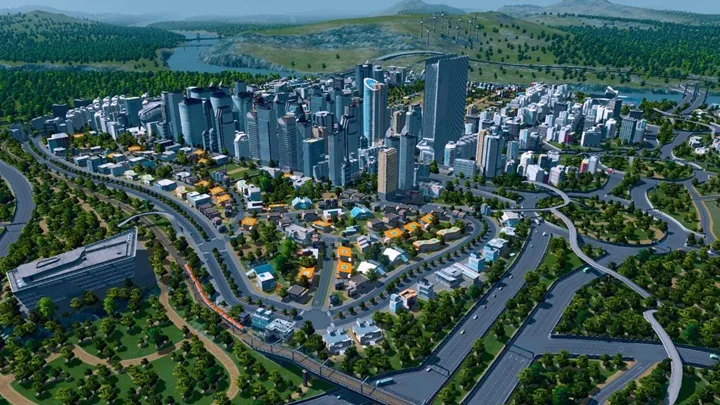
Cities: Skylines is not a typical city-building game. Instead of focusing solely on aesthetics, the game emphasizes deep simulation systems where traffic flow, zoning balance, citizen behavior, and infrastructure planning determine whether a city thrives or collapses.
Success in Cities: Skylines is not about building fast, but about building smart. Poor planning leads to traffic congestion, budget deficits, and unhappy citizens, while thoughtful layouts and long-term strategy result in sustainable, profitable мегacities.
This comprehensive Tips & Guides article is designed to help players progress from mayors struggling with traffic jams and bankrupt cities into confident city planners capable of managing large-scale urban systems. Organized according to city growth stages, this guide covers zoning fundamentals, traffic management, economy balancing, public services, and late-game optimization. Whether you play vanilla or modded, this guide will help you build cities that truly work.
H2 1. Understanding the Core City-Building Philosophy
At its core, Cities: Skylines is a systems-driven simulation game. Every decision affects multiple layers of the city, often in ways that are not immediately obvious.
Road layouts influence traffic, traffic affects productivity, productivity impacts income, and income determines expansion potential.
H3 Core Simulation Principles
- Everything is interconnected
- Traffic flow is the backbone of the city
- Expansion without planning creates long-term problems
H4 Why This Matters
Players who expand too quickly often face irreversible congestion and financial collapse. Sustainable growth is always superior to rapid growth.
H2 2. Early Game City Planning and Starting Layout
The early game determines whether your city will scale smoothly or struggle permanently. Initial road design and zoning placement are critical.
Simple layouts outperform complex ones at the start.
H3 Early Game Best Practices
- Use simple grid or modified grid layouts
- Separate residential and industrial zones
- Leave space for future expansion
H4 Early Game Goal
Establish a stable economy and manageable traffic flow before increasing population aggressively.
H2 3. Zoning Strategy and Population Balance
Zoning is not about filling space, but about balancing demand. Overzoning creates unemployment, while underzoning slows growth.
H3 Zoning Fundamentals
- Balance residential, commercial, and industrial demand
- Avoid zoning entire areas at once
- Adjust zoning based on demand indicators
H4 Common Mistake
Many players overzone industrial areas early, leading to pollution, sickness, and unhappy citizens.
H2 4. Road Hierarchy and Traffic Management
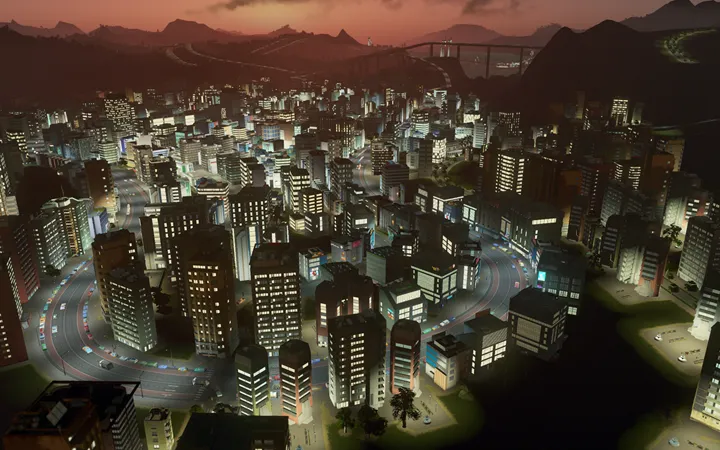
Traffic is the most common cause of city failure. Understanding road hierarchy is essential for long-term success.
Not all roads should serve the same purpose.
H3 Road Types and Roles
- Highways for long-distance travel
- Arterial roads for city flow
- Local roads for neighborhood access
H4 Traffic Discipline
Limit intersections on major roads. Fewer intersections mean smoother traffic and fewer bottlenecks.
H2 5. Economy, Budget, and Service Efficiency
A city’s economy depends on efficient service placement and controlled spending. More services do not always mean better service.
H3 Budget Management Tips
- Adjust service budgets dynamically
- Avoid overbuilding services early
- Place services to maximize coverage
H4 Financial Awareness
Running a surplus allows flexibility. Cities operating at break-even are vulnerable to sudden problems.
H2 6. Public Services and Citizen Happiness
Services directly influence land value and citizen satisfaction. Poor coverage leads to crime, illness, and abandonment.
H3 Essential Services
- Healthcare to prevent sickness
- Education to improve workforce quality
- Police and fire services for safety
H4 Service Timing
Introduce services when needed, not preemptively. Overspending early slows growth.
H2 7. Industrial Specialization and Logistics
As cities grow, specialized industries become key income drivers. However, they require efficient logistics and transport planning.
H3 Industry Best Practices
- Place industries near highways or cargo hubs
- Separate freight traffic from residential areas
- Monitor import and export flow
H4 Logistics Awareness
Unmanaged freight traffic is a major cause of late-game congestion.
H2 8. Mid-Game Expansion and Infrastructure Scaling
Mid-game cities often fail due to scaling issues. Systems that worked for 10,000 citizens may collapse at 50,000.
H3 Scaling Strategies
- Upgrade roads selectively
- Introduce public transport gradually
- Decentralize commercial districts
H4 Growth Control
Pause zoning if systems are strained. Stabilization is progress.
H2 9. Public Transportation and Traffic Relief
Public transport is not optional in large cities. It reduces congestion and increases efficiency when implemented correctly.
H3 Transport Options
- Buses for flexible routes
- Metro for high-capacity travel
- Trains for regional connections
H4 Transport Planning
Public transport works best when integrated into city design, not added as an afterthought.
H2 10. Late-Game Optimization and City Sustainability
Late-game Cities: Skylines is about refinement, not expansion. Optimizing traffic flow and service coverage becomes the main challenge.
H3 Late-Game Focus Areas
- Traffic optimization
- Service efficiency tuning
- District specialization
H4 Winning Mindset
A successful city is not the biggest one, but the most stable and efficient.
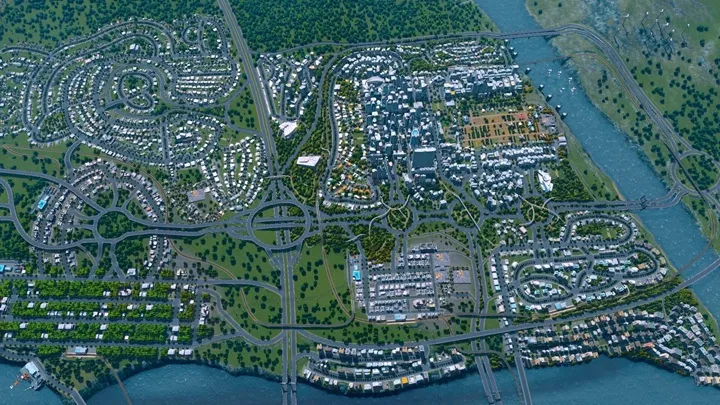
Cities: Skylines is a game of foresight and systems mastery. By understanding how city systems interact, planning infrastructure carefully, and expanding with intention, players can create cities that grow organically and sustainably.
True success in Cities: Skylines comes not from rapid expansion, but from intelligent design. Build patiently, plan ahead, and let your city work for you.