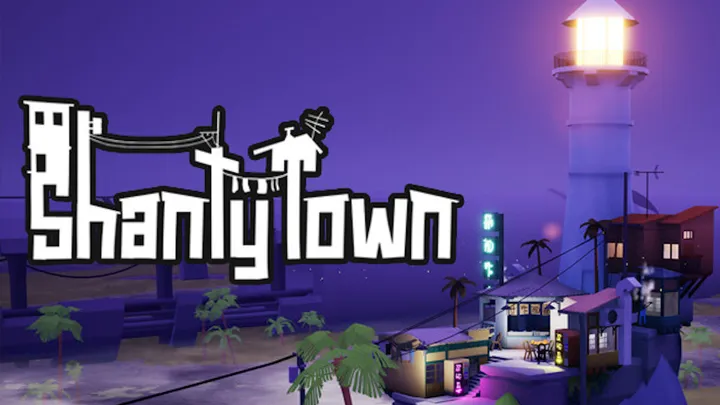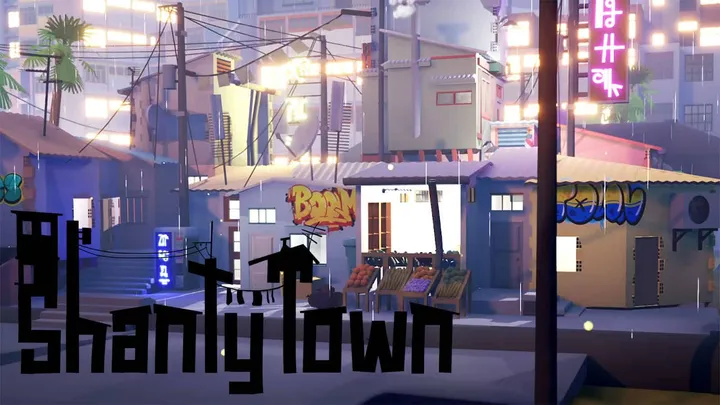






Survival sandbox games continue to grow in popularity, but few titles create interest quite like ShantyTown. By combining open-ended progression, resource management, and social interaction, the game offers players a world where every decision can shape the environment around them.
Rather than focusing only on combat or competition, ShantyTown places equal importance on creativity and cooperation. This balance gives the game a distinct identity in a crowded genre.
A World Defined by Progress and Adaptation
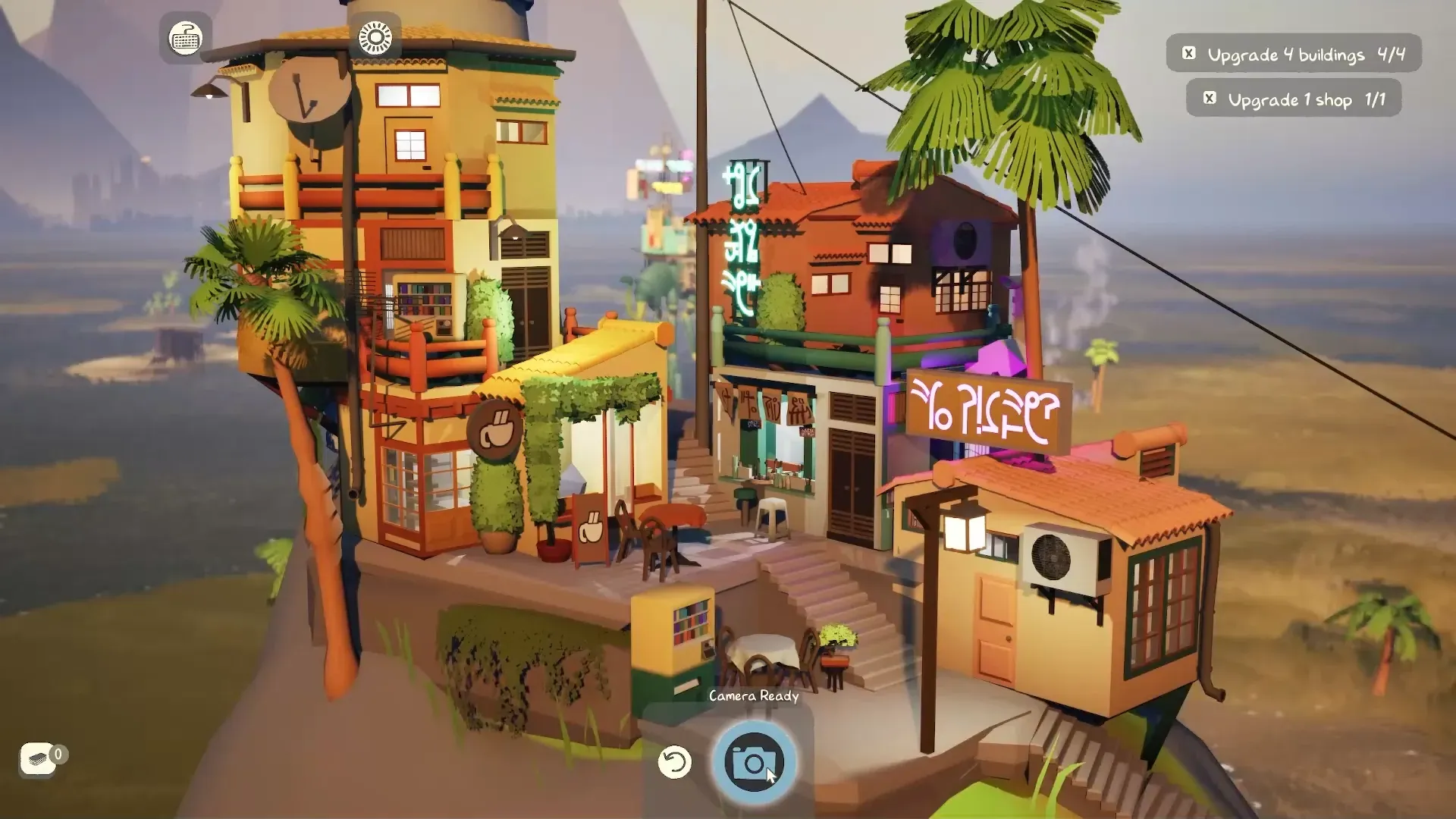
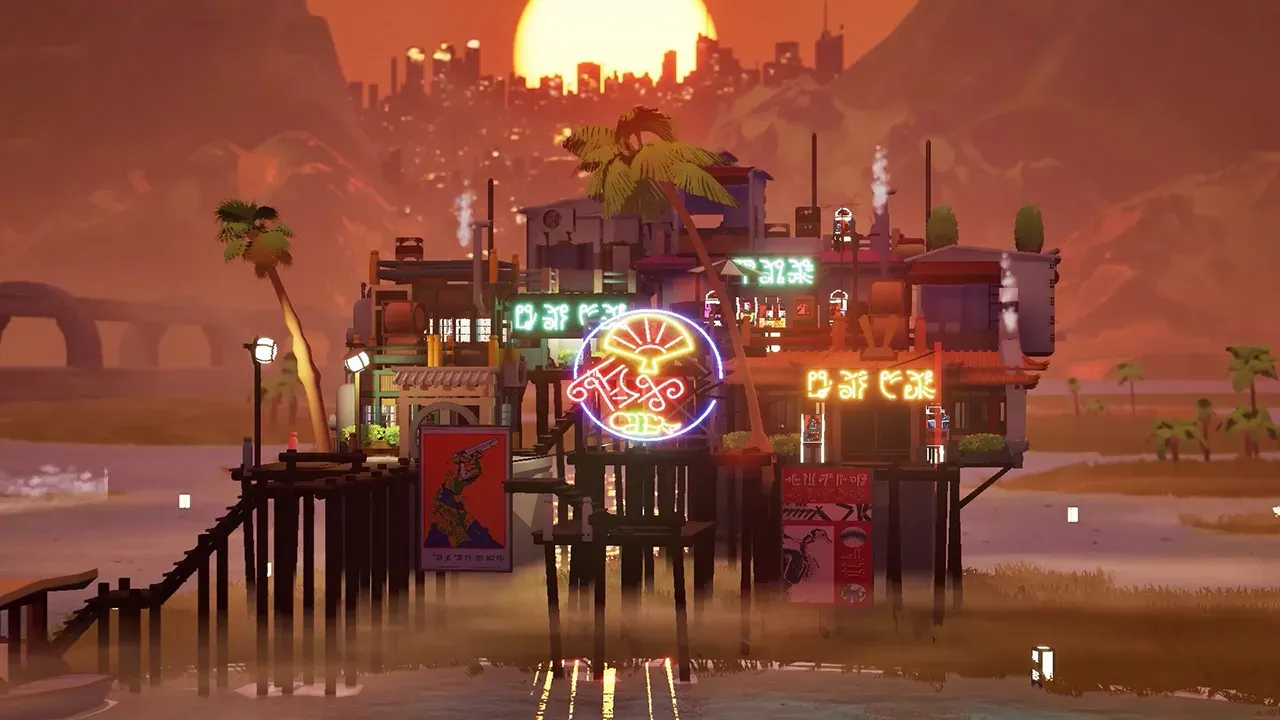
The core appeal of ShantyTown comes from its evolving world. Players often begin with limited tools and basic shelter, but over time they can transform small settlements into thriving communities.
This sense of growth is central to the experience. Every structure built, every resource gathered, and every upgrade unlocked contributes to visible progress. Instead of following a rigid path, players develop their own goals based on how they want their settlement to evolve.
That freedom makes each playthrough feel personal and unpredictable.
Building as a Form of Expression
Construction systems in sandbox games are more than utility features—they are tools for identity and creativity. In ShantyTown, building is not just about survival. It is also about expressing style, strategy, and ambition.
Some players focus on efficient layouts designed for productivity, while others create visually impressive settlements that stand as symbols of achievement. The structures players build become a reflection of how they approach the game itself.
This creative freedom adds long-term value and encourages experimentation.
The Role of Community and Cooperation
Unlike solo-focused survival games, ShantyTown gains much of its strength from player interaction. Cooperation can accelerate progress, improve defense, and create larger shared projects.
Working with others changes the tone of the experience. A simple shelter can become a lively town when multiple players contribute ideas and resources. Social dynamics naturally emerge, from leadership roles to collaborative planning.
These interactions help turn the game world into a living community rather than just a map.
Resource Management and Strategic Depth
Survival gameplay remains an important pillar of ShantyTown. Players must gather materials, manage supplies, and make smart decisions about expansion.
Limited resources create meaningful choices. Investing in defense, infrastructure, or comfort can lead to different outcomes, requiring players to think ahead. This strategic layer gives the game depth beyond simple building mechanics.
The challenge is not only staying alive, but building something sustainable.
Why Sandbox Games Continue to Thrive
The popularity of titles like ShantyTown reflects a broader shift in player preferences. Many gamers now seek experiences that allow freedom, creativity, and self-directed progression rather than strict objectives.
Sandbox games succeed because they let players create their own stories. Whether building a peaceful town, surviving harsh conditions, or leading a growing community, the experience is shaped by player decisions.
ShantyTown fits this trend by offering systems that reward both imagination and planning.
The Potential for Long-Term Growth
Games built around player creativity often enjoy strong longevity because no two sessions are exactly the same. New strategies, settlement designs, and community interactions keep the experience fresh over time.
If ShantyTown continues to expand its systems and support player-driven gameplay, it has the potential to build a lasting audience. The foundation is already there: a flexible world where players generate much of the value through their own actions.
Conclusion: More Than Survival, A World to Build
ShantyTown is more than another survival sandbox title. It is a game about transformation—turning limited beginnings into something meaningful through effort, creativity, and cooperation.
As the genre continues to evolve, games that empower players to shape their own worlds will remain highly relevant. ShantyTown shows that sometimes the most rewarding adventures are not about defeating enemies, but about building a place worth staying in.