Entering the Nexus: Understanding the Core Mechanics
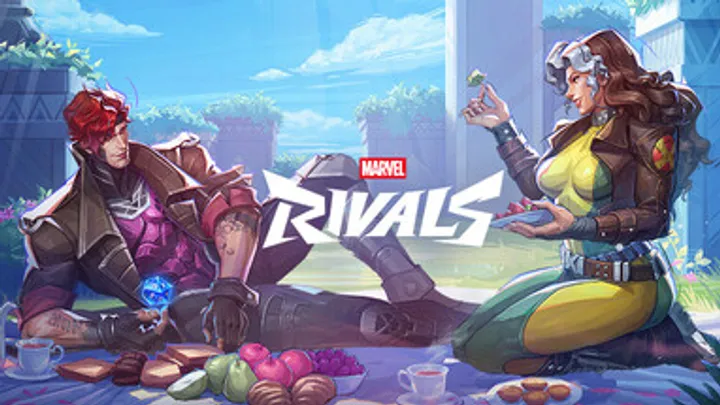
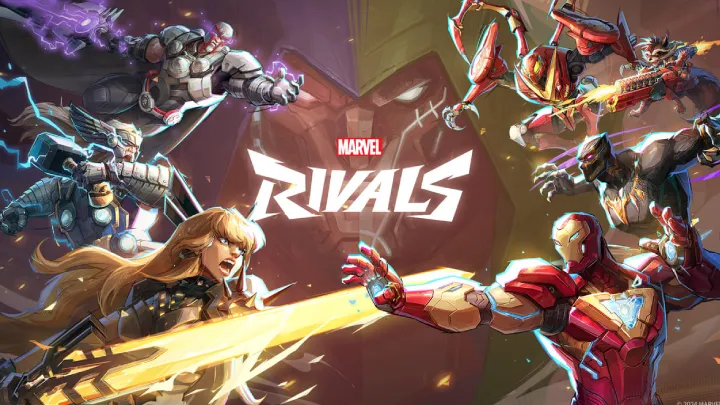
Marvel Rivals is a fast-paced, 6v6 competitive hero shooter where strategy, team synergy, and mastery of the game’s unique character abilities are key to victory. Before diving into the intense action, players must grasp the fundamental mechanics that differentiate it from other games in the genre.
Step 1: Select and Master a Core Role
Success in Marvel Rivals hinges on assembling a balanced team that covers the three essential combat roles. Every hero falls into one of these categories, and players must understand their primary duties.
- Vanguard (Tank/Frontline):
- Primary Duty: Initiate fights, absorb damage, control space, and protect backline heroes (Duelists and Supports).
- Goal: Use high health pools and defensive abilities (shields, crowd control) to disrupt enemy formations and create openings for damage dealers.
- Example Heroes: Characters with shields, high-HP pools, or area denial abilities.
- Duelist (Damage/Offense):
- Primary Duty: Deal high burst or sustained damage, flank opponents, and secure elimination kills.
- Goal: Utilize mobility and offensive cooldowns to pressure enemy Vanguards and quickly dispatch vulnerable Supports. They are the team's primary source of firepower.
- Example Heroes: High-mobility characters, snipers, or heroes with high-burst ultimate abilities.
- Support (Utility/Healing):
- Primary Duty: Maintain team survivability through healing, provide crucial utility (speed boosts, defensive buffs, debuffs), and secure objectives.
- Goal: Stay positioned behind the Vanguard, keep Duelists alive during flanks, and use abilities to turn the tide of a team fight through strategic buffs.
- Example Heroes: Characters with strong healing abilities, protective barriers, or movement-boosting skills.
Actionable Tip: Beginners should focus on mastering one hero in each category. A balanced team composition should always aim for a mix, such as 2 Vanguards, 2 Duelists, and 2 Supports.
Step 2: Utilize the Team-Up System
The Team-Up Ability is the most unique and important mechanic in Marvel Rivals. It allows two specific heroes to combine their Ultimate Abilities into a single, devastating, and cinematic attack.
- Identification: Learn which heroes synergize for a Team-Up. Not all pairs have a unique combination, but many iconic duos do (e.g., specific combinations of the Avengers or Guardians).
- Activation: The Team-Up gauge builds through basic combat and is charged when both heroes' Ultimate Abilities are ready and they are in close proximity.
- Execution: When ready, the prompt will appear. Coordinate with your teammate to initiate the sequence, often resulting in a massive Area-of-Effect (AoE) attack or a focused, high-damage shutdown ability.
Strategic Tip: Save Team-Up abilities for crucial moments: breaking a defensive stalemate on the objective, counter-initiating a major enemy push, or quickly eliminating a highly prioritized target (like an enemy Support). Never waste it on a single, low-threat target.
Competitive Strategy: Objective and Map Mastery
Winning in Marvel Rivals involves more than just getting kills; it requires strategic control of the map and the objective.
Step 3: Master Positioning and Flanking
Good positioning is paramount, especially given the game’s emphasis on verticality and team protection.
- Vanguard Positioning: Always position Vanguards in the primary line of sight of the objective. Your job is to be the target. Hold the chokepoint and use crowd control abilities to disrupt the enemy team's advance.
- Support Positioning: Maintain a safe distance behind your Vanguard. You need a clear line of sight to heal your frontline but must be positioned near cover to avoid enemy flankers. If a Duelist approaches, rely on your Vanguard or a nearby Duelist for protection.
- Duelist Positioning: Use the Flanking Routes. Do not stand directly behind your Vanguard and trade fire; instead, use your mobility to take unexpected angles (high ground, side alleys) to attack the enemy team's Supports and vulnerable Duelists from behind. Disrupting the enemy backline is often more valuable than fighting their frontline.
Map Awareness Tip: Most maps feature destructible environments. Pay attention to walls and floors that can be destroyed, as this instantly creates new sightlines for snipers or new flanking paths. Use the environment to your advantage to surprise the enemy.
Step 4: Prioritize Objectives and Targets
Kills are secondary to securing the objective (Payload, Control Point, etc.). Your team must always maintain focus on the map's current goal.
- Objective Focus: Vanguards should primarily use their abilities to hold the objective zone. Supports should use healing to keep the objective holder alive. Duelists should clear enemies off the objective.
- Target Priority (The Kill Order): In a team fight, the optimal kill order is generally:
- Support Heroes: Eliminating the enemy healer/utility provider severely restricts their team's ability to sustain the fight.
- Flanking Duelists: Eliminate immediate threats to your Supports.
- Vanguards: Attack the Vanguards last, only after the enemy's protection and healing are gone.
Critical Error to Avoid: Do not chase low-health enemies deep into enemy territory if it means leaving the objective vulnerable or abandoning your Support hero. Discipline wins games.
Progression and Evolution: Staying Ahead of the Meta
Marvel Rivals is a live service game, meaning the balance and optimal strategies will constantly shift with updates.
Step 5: Master Build and Balance Changes
The developers will regularly release Patch Updates focused on Hero Balancing. This will involve buffing underperforming heroes and nerfing dominant ones.
- Read Patch Notes: Always read the patch notes immediately upon release. Even minor number adjustments (like a 10% reduction in healing output or a 5% increase in weapon damage) can change a hero from niche to essential, or vice versa.
- Test New Builds: The balancing changes will force new meta compositions. Be ready to experiment with heroes who received buffs. Mastering the "new meta" before the rest of the player base is a key to competitive ranking.
Long-Term Strategy: Do not dedicate yourself to only one hero. The key to climbing the ranks is having a deep hero pool—at least two heroes in each role—so you can always fill the needed role, even after a severe balance change to your favorite character.