



Hades II expands upon the fast‑paced, reactive combat of the original game by introducing a new mechanic that fundamentally reshapes how players approach every encounter: Omega Attacks. These charged, enhanced versions of Melinoë’s standard abilities are not simply “stronger attacks”—they are a layered system of risk, timing, resource management, and build synergy. Understanding Omega Attacks is essential for mastering Hades II, yet many players underestimate their depth or misuse them entirely.
This article explores Omega Attacks as a complex strategic system, analyzing how they evolve throughout the game, how they interact with boons, how they shape player decision‑making, and how they redefine the pacing of combat. Across ten structured sections, we will examine the psychological, mechanical, and tactical implications of Omega Attacks, revealing why they are one of the most transformative additions to the Hades formula.
1. The Birth of Omega Attacks: Understanding the Core Mechanic
Omega Attacks are introduced early in Hades II, but their significance is not immediately obvious. At first glance, they appear to be simple charged versions of Melinoë’s basic moves—Omega Strike, Omega Special, and Omega Cast. However, the mechanic is tied to a new resource: Magick. This alone changes the flow of combat dramatically.
Magick regenerates slowly and requires deliberate management. Unlike Zagreus, who could spam attacks freely, Melinoë must choose when to invest Magick into an Omega Attack and when to conserve it. This creates a rhythm of tension and release, forcing players to think ahead rather than react impulsively.
The First Lesson: Power Comes at a Cost
Omega Attacks are powerful, but they leave Melinoë vulnerable during the charge. This vulnerability is the foundation of the mechanic’s complexity.
2. The Timing Problem: When to Charge and When to Strike
Charging an Omega Attack requires a moment of stillness in a game built on constant motion. This creates a psychological conflict: players must resist the instinct to dodge endlessly and instead commit to a risky action.
The timing window becomes a skill test. Charging too early wastes Magick. Charging too late results in taking damage. The player must learn enemy patterns, anticipate openings, and trust their positioning.
H3: Reading the Battlefield
Omega Attacks reward players who observe enemy behavior. Recognizing when foes are winding up, recovering, or repositioning is essential.
H4: Punish Windows
Certain enemies create natural openings:
- Slow, heavy attackers
- Ranged enemies after firing
- Summoners during channeling
- Bosses after multi‑hit combos
3. Magick Management: The Resource That Defines Your Playstyle
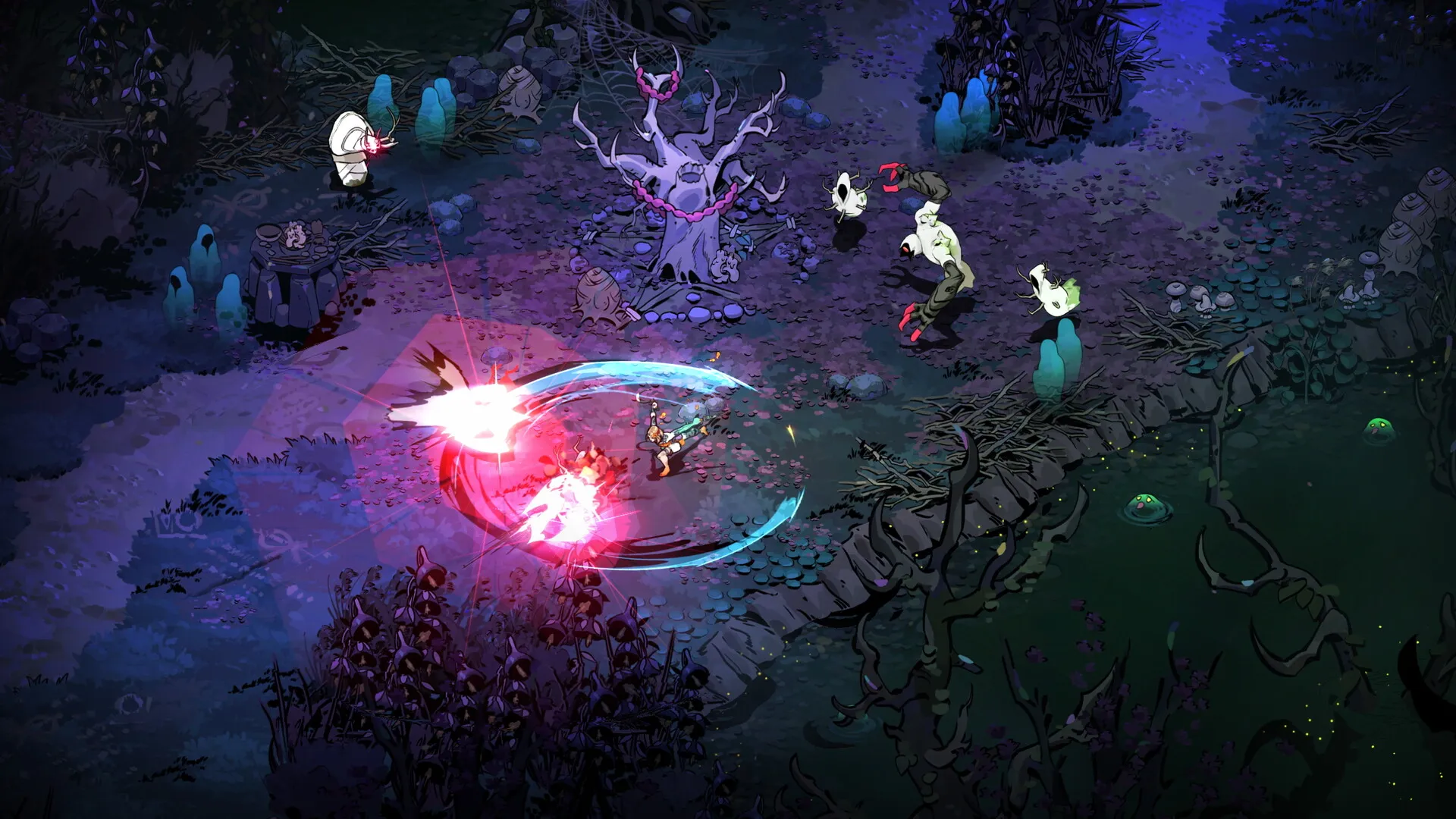
Magick is the lifeblood of Omega Attacks. Without it, Melinoë becomes a weaker version of herself. Managing Magick becomes a strategic layer that influences every decision.
Players must balance Magick expenditure between offense (Omega Attacks) and utility (movement abilities, defensive spells, or boons that consume Magick). This creates a dynamic tension: should you spend Magick now for burst damage, or save it for a dangerous upcoming wave?
Magick Regeneration Strategies
- Using boons that restore Magick on hit
- Equipping Arcana cards that boost regeneration
- Choosing weapons with lower Omega costs
- Avoiding unnecessary Omega spam
4. Weapon Synergy: How Omega Attacks Change With Each Tool
Each weapon in Hades II interacts with Omega Attacks differently. The Sister Blades offer quick, agile Omega Strikes, while the Witch’s Staff provides long‑range, sweeping Omega Specials. The Umbral Flames create lingering zones of damage, making Omega Casts particularly potent.
Understanding these synergies is essential. Omega Attacks are not universal—they are tailored to each weapon’s identity.
H3: Examples of Weapon‑Omega Synergy
- Sister Blades: Omega Strike becomes a gap‑closing burst
- Witch’s Staff: Omega Special creates wide crowd control
- Umbral Flames: Omega Cast becomes a zoning tool
- Argent Skull: Omega Special creates explosive area denial
H4: Choosing the Right Omega Focus
Some weapons favor Omega Strikes, others Omega Specials. Knowing which to prioritize shapes your entire build.
5. Boon Interactions: How the Gods Transform Omega Attacks
Boons dramatically alter Omega Attacks. Some gods enhance their damage, others modify their behavior, and some introduce entirely new mechanics. For example, Hecate may reduce Magick costs, while Poseidon may add knockback waves to Omega Strikes.
These interactions create build diversity. A run focused on Omega Specials feels completely different from one centered on Omega Casts.
Boon Categories That Affect Omega Attacks
- Damage multipliers
- Magick cost reductions
- Area‑of‑effect expansions
- Status effect applications
- Charge speed improvements
H4: Synergy Examples
- Demeter + Omega Cast = massive freeze zones
- Zeus + Omega Strike = chain lightning bursts
- Hera + Omega Special = homing projectiles
6. Risk vs Reward: The Psychological Challenge of Omega Attacks
Omega Attacks force players to confront risk. Charging leaves Melinoë exposed, and using Magick too aggressively can leave her defenseless. This creates a psychological tension that defines the mechanic.
Players must learn to trust their timing, positioning, and knowledge of enemy patterns. The more confident the player becomes, the more effectively they can weave Omega Attacks into their combat flow.
H3: The Fear of Commitment
Many players hesitate to use Omega Attacks because they fear being punished. Overcoming this fear is part of mastering the game.
H4: Controlled Aggression
Omega Attacks reward players who strike boldly but intelligently.
7. Boss Fights: Where Omega Attacks Truly Shine
Boss battles are the ultimate test of Omega mastery. Bosses have predictable patterns, long recovery windows, and large hitboxes—perfect conditions for Omega Attacks.
However, bosses also punish mistakes severely. A mistimed Omega charge can result in massive damage. Players must learn each boss’s rhythm and identify safe opportunities to unleash Omega power.
Boss Strategies Using Omega Attacks
- Use Omega Casts to control space
- Time Omega Strikes after heavy boss attacks
- Use Omega Specials to punish stationary phases
H4: Example Boss Interactions
- Hecate: Omega Attacks can interrupt her summons
- Chronos: Omega Casts help manage adds
- Eris: Omega Specials punish her ranged phases
8. Arcana Cards: How Permanent Upgrades Shape Omega Play
Arcana cards provide permanent upgrades that dramatically influence Omega Attacks. Some cards reduce Magick costs, others increase charge speed, and some enhance damage.
Choosing Arcana cards that complement your Omega strategy is essential. A player focusing on Omega Specials may prioritize cost reduction, while an Omega Cast build may prefer area‑of‑effect boosts.
Arcana Cards That Benefit Omega Builds
- The Unseen: Magick regeneration
- The Furies: Omega damage boost
- The Titan: Charge speed increase
- The Sorceress: Magick efficiency
H4: Building a Cohesive Arcana Deck
Omega builds thrive when Arcana choices align with weapon and boon synergies.
9. Environmental Awareness: Using Omega Attacks in Complex Arenas
Hades II introduces more complex arenas than its predecessor. Some rooms contain hazards, tight corridors, or moving platforms. Omega Attacks must be adapted to these environments.
Charging an Omega Attack in a cramped space is dangerous. Conversely, open arenas allow for more aggressive Omega usage. Players must learn to read the environment as carefully as they read enemy patterns.
Environmental Considerations
- Avoid charging near walls or corners
- Use Omega Casts to control chokepoints
- Exploit hazards to amplify Omega damage
H4: Terrain‑Based Omega Strategies
- Lava rooms favor ranged Omega Casts
- Wide arenas favor sweeping Omega Specials
10. The Evolution of Omega Mastery: From Beginner to Expert
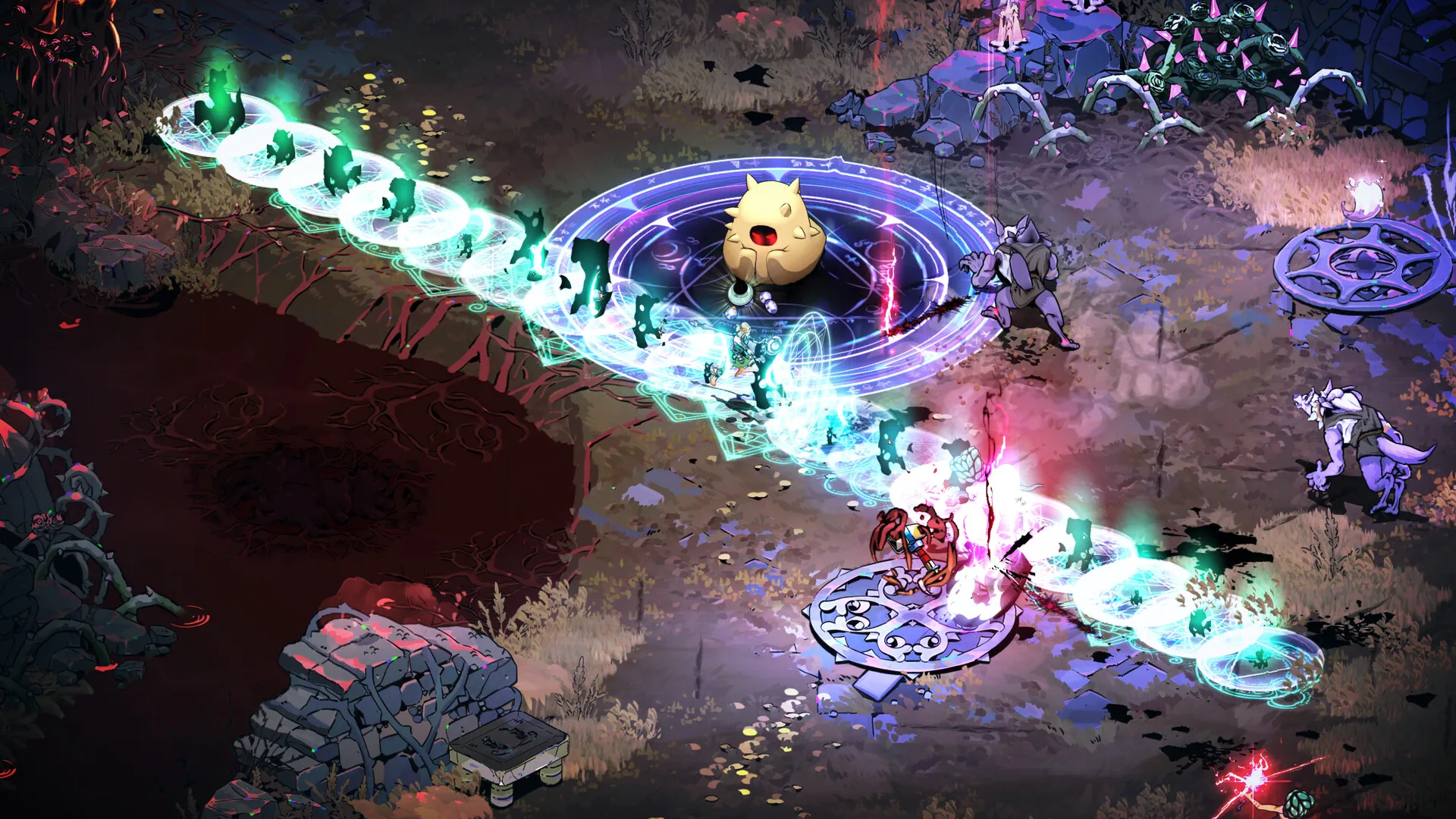
Mastering Omega Attacks is a journey. Beginners often misuse them, spamming charges without awareness. Intermediate players learn timing and resource management. Experts weave Omega Attacks seamlessly into their combat flow, using them as extensions of their instincts.
The true mastery of Omega Attacks lies in understanding when not to use them. Sometimes conserving Magick is the smartest choice. Sometimes a basic attack is safer. Omega Attacks are powerful, but they are tools—not crutches.
The Three Stages of Omega Mastery
- Beginner: Overuse or underuse
- Intermediate: Strategic usage
- Expert: Intuitive integration
H4: The Final Lesson
Omega Attacks are not about damage—they are about control, rhythm, and confidence.
Conclusion
Omega Attacks are one of the most transformative mechanics in Hades II, reshaping combat into a dance of timing, resource management, and strategic risk‑taking. They force players to think ahead, observe carefully, and commit boldly. By understanding how Omega Attacks interact with weapons, boons, Arcana cards, and environments, players can unlock their full potential and experience the depth of Hades II’s combat system.
Mastering Omega Attacks is not simply about pressing a button—it is about learning the rhythm of the game, embracing calculated risks, and trusting your instincts. In the hands of a skilled player, Omega Attacks become more than powerful moves—they become expressions of mastery.